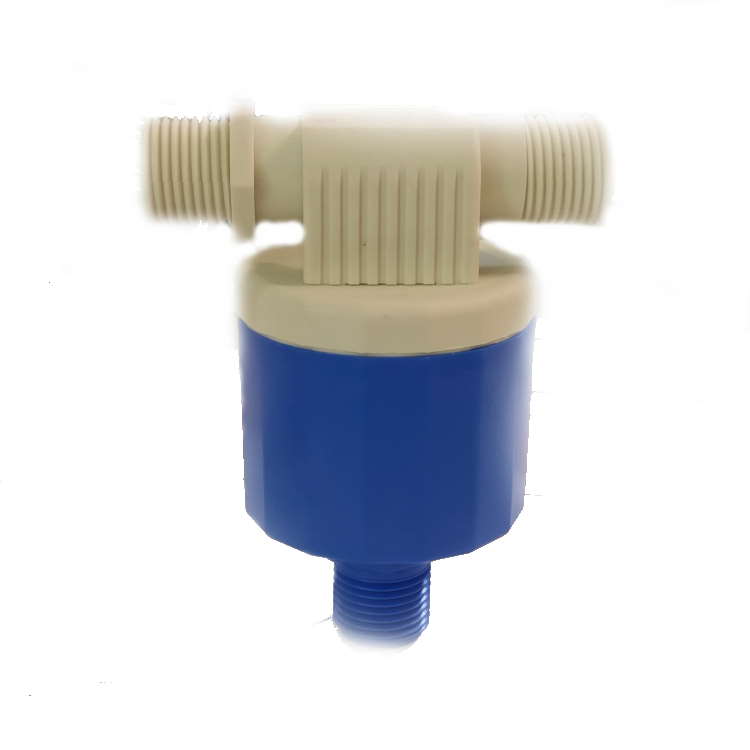
A float valve, also known as a ball float valve, is a device used in water systems to control the water level in a tank. It works on the principle of buoyancy. It consists of a float that rises and falls with the water level and a mechanism that opens and closes the valve depending on the float position.
Main features of the float valve:
Floating element: usually a float that rises and falls freely with the water level.
Control mechanism: as the water level rises or falls, the float acts on the mechanism, opening or closing the valve.
Water level adjustment: many float valves let you adjust the water level at which the valve closes or opens.
Application: float valves are widely used to maintain a set water level in a tank.
Water saving: float valves save water by regulating the amount supplied to the tank according to the set level.
Float valves are reliable and efficient components of water systems that play an important role in keeping tank water levels stable.